Detailing Damage: carvaloo’s Image AI in Action
1518
wp-singular,page-template-default,page,page-id-1518,wp-theme-stockholm,stockholm-core-2.4.3,select-theme-ver-9.9,ajax_fade,page_not_loaded,,qode_menu_,wpb-js-composer js-comp-ver-7.6,vc_responsive,elementor-default,elementor-kit-1,elementor-page elementor-page-1518

Detailing Damage: carvaloo’s Image AI in Action

In our last blog post, we introduced Motion AI, the solution that detects when a vehicle has suffered a damage or misuse based on IMU motion data. While Motion AI can detect and provide the context of the damage, it cannot precisely deliver evidences crucial for a claims process on its own: What type of damage occurred? How large and severe is it? Has it changed or even been repaired over time?

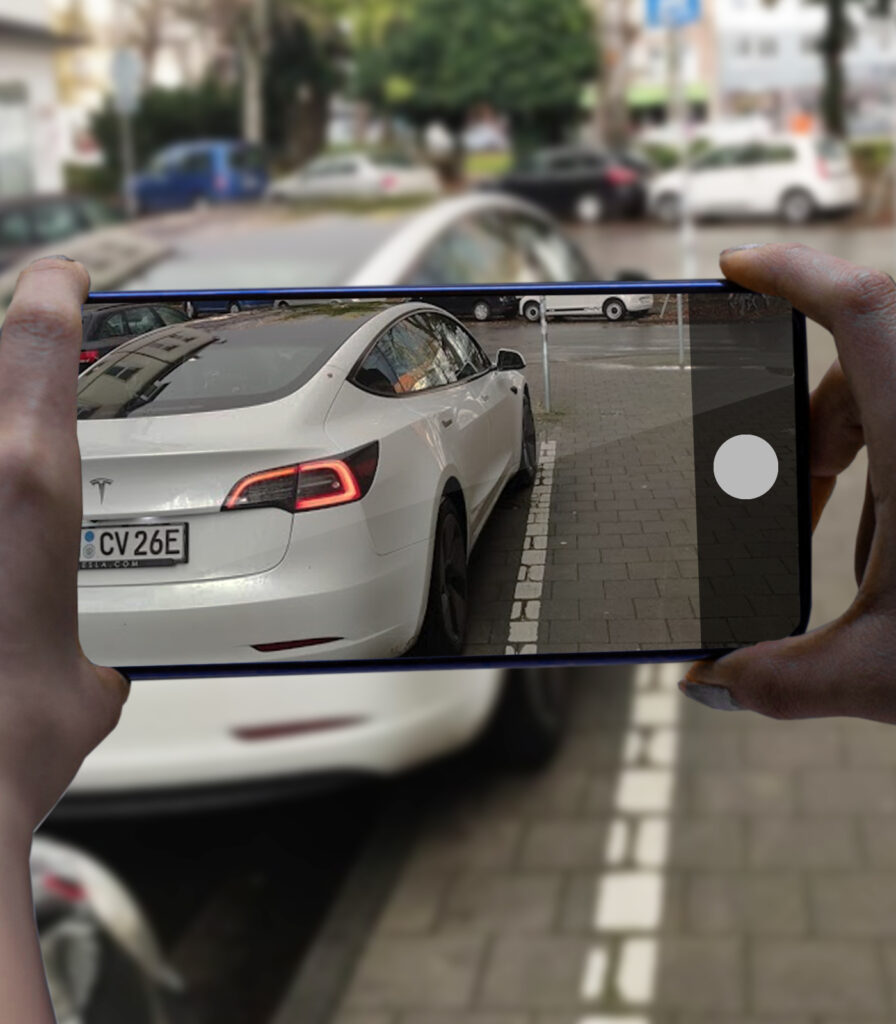
This is the role of carvaloo’s Image AI. Once an event has been identified by the Motion AI, drivers are automatically asked to provide photos of the vehicle. These images are supplemented by regular inspections from fleet staff and by photo documentation from other touchpoints, such as cleaning personnel. The result is a continuous pool of real-world images, captured under varying conditions and with different devices.

carvaloo’s Image AI takes this heterogeneous data and provides precise specifications of the damage. In combination with Motion AI, carvaloo’s solution not only detect damages, but characterizes and contextualizes them for follow-up claims processes.

Inside Image AI: A Closer Look

Behind the scenes, Image AI combines several state-of-the-art machine learning techniques in a modular, agent-based pipeline:

  • Quality & context check – Images are automatically assessed for resolution, visibility, and relevance. If critical areas are obscured or unclear, the system can automatically request additional photos.
  • Damage localization – Using computer vision models, Image AI identifies and segments the exact areas affected, even under challenging conditions such as low light, glare, dirt, or reflections.
  • Damage specification – The system classifies the type (scratch, dent, crack), size, and severity of each damage, converting raw pixels into clear descriptions.
  • Temporal comparison – By aligning new and historical images, Image AI determines whether a damage is new, has progressed, or has been repaired.
  • Contextual interpretation – Through a car-part knowledge graph, detected changes are placed into a logical vehicle context, ensuring consistency and plausibility across time. 

This process transforms isolated images into structured, verifiable insights about the state of a vehicle.

Case Examples

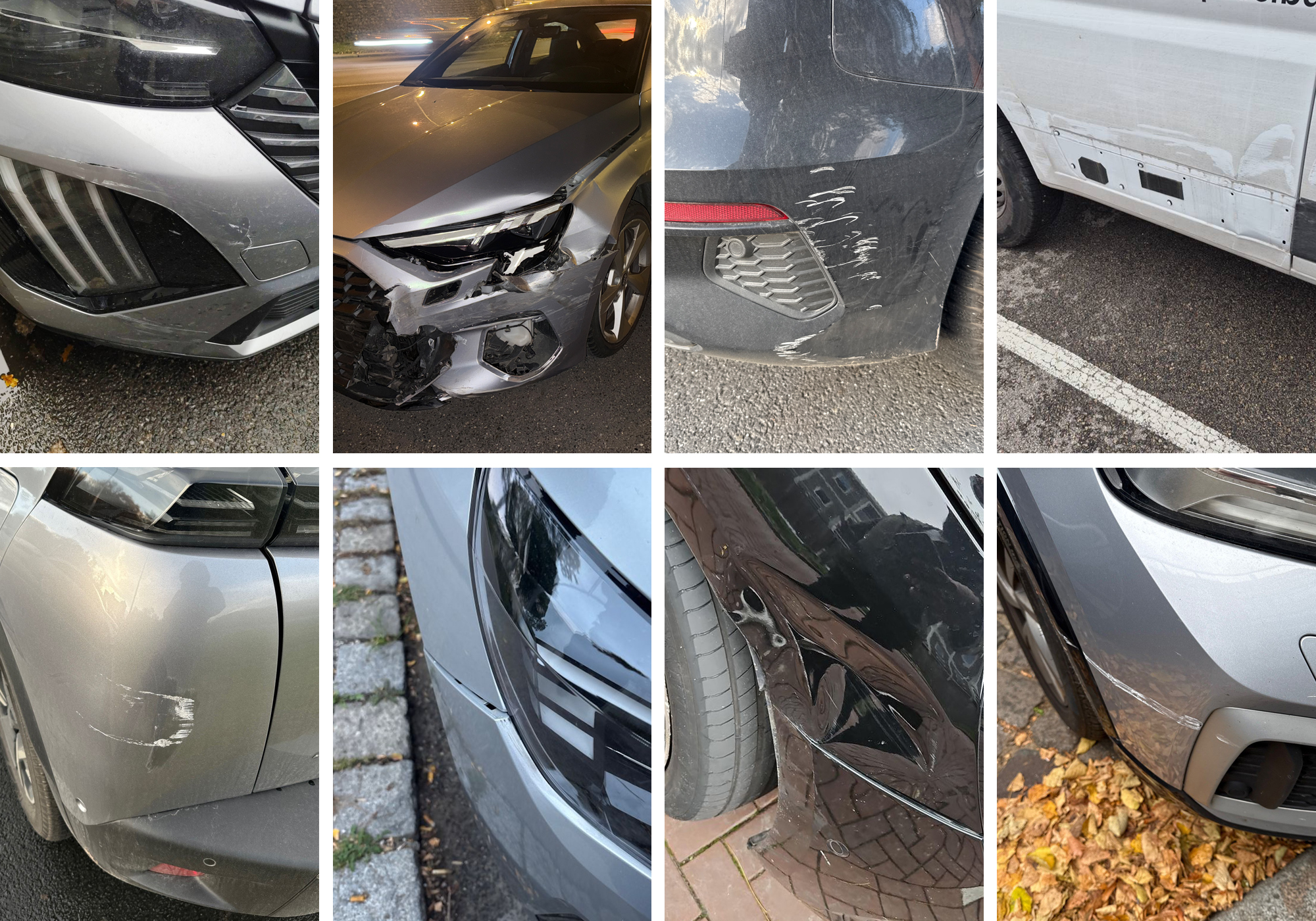
Let’s take a look at some real world examples showcasing Image AI performance:

From minor scratches and dents to broken, dislocated or even missing car parts: Image AI spots damage reliably.
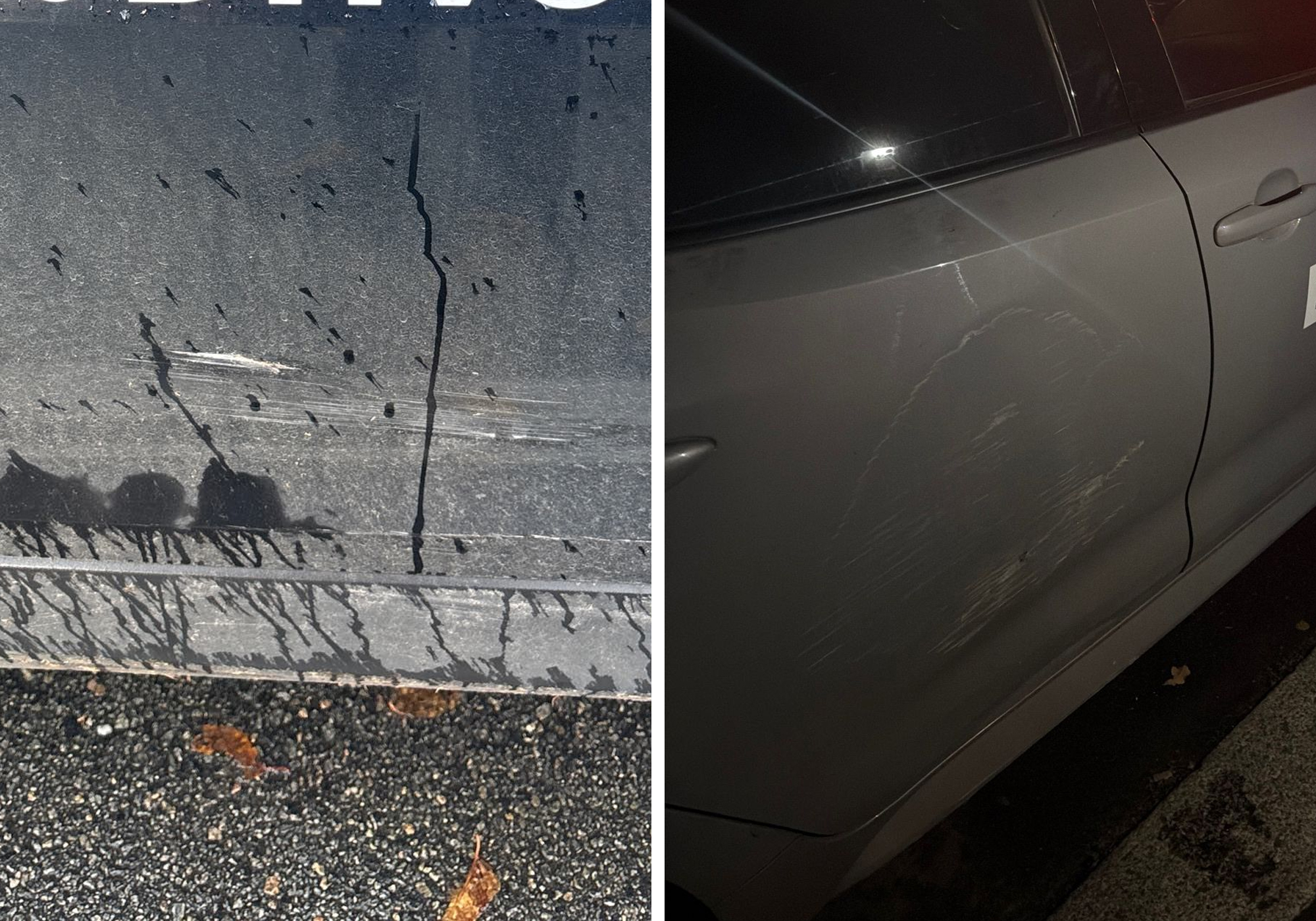
Even in difficult situations with limited visibility, Image AI can recognize vehicle damage. Be it dirty cars or bad lighting.
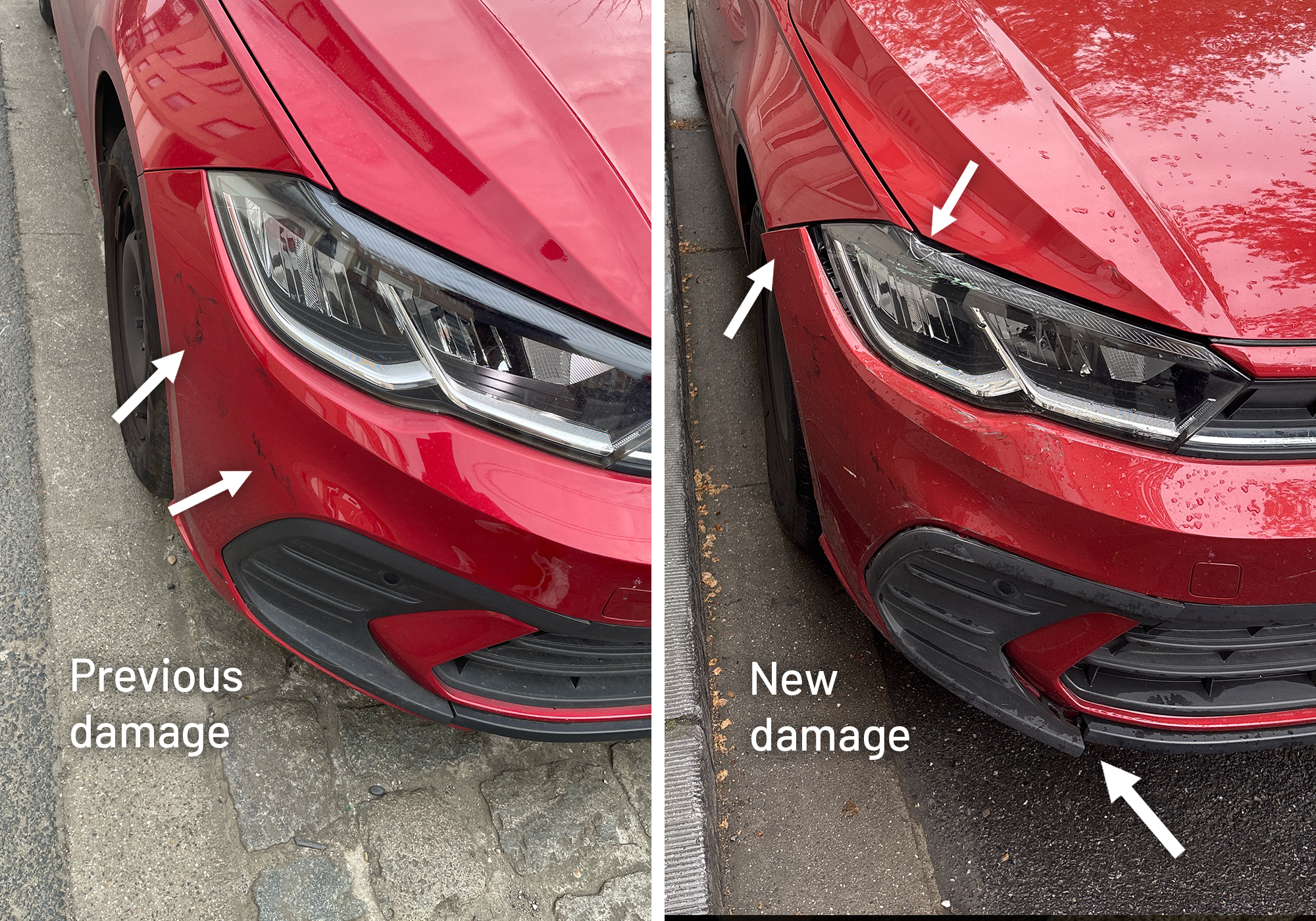
In this case, the vehicle part was previously damaged — Image AI nevertheless identified the new damage and differentiated it from the pre-existing one.
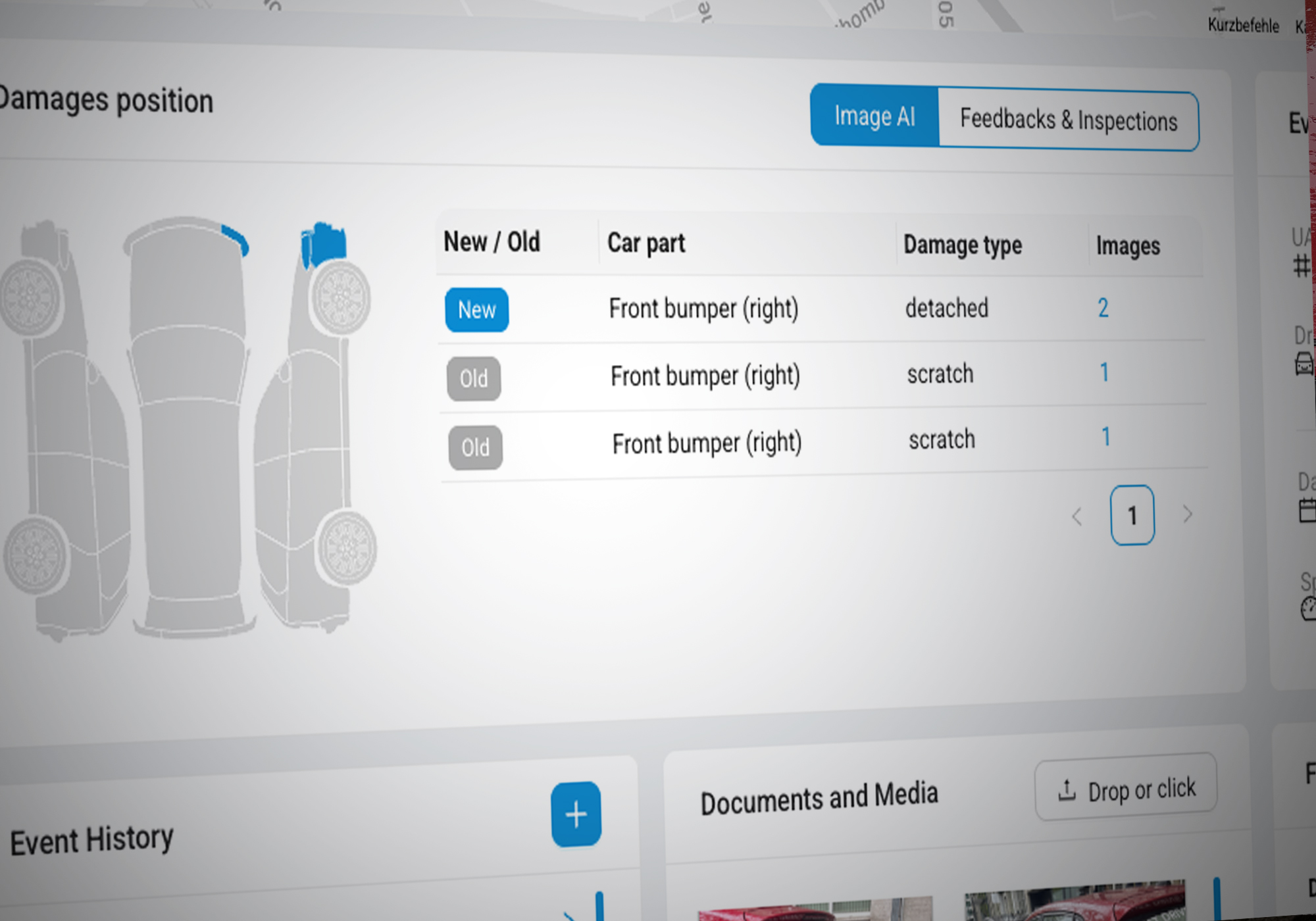
In the damage report, the pre-existing damage (grey) is documented and complemented by the new, claimable damage.

Fleet Operators See the Difference

In practice, fleet operators automatically receive complete damage reports once all information for the claims process has been gathered automatically. This report includes:

  • Type, size, and severity of the damage
  • Identification of the affected vehicle parts
  • Context on whether the damage is new, pre-existing, or repaired
  • A chronological link to past incidents
  • The original images supporting the analysis

For fleet operators, this means instant, objective, and verifiable insights into the condition of their vehicles. Instead of lengthy inspections or disputes about responsibility, the relevant facts are available immediately, enabling faster decision-making and improved operational efficiency.

Why this matters

For fleet operators and insurers, it is not enough to know that a vehicle was damaged. They need to know how severe it is, whether it is new or pre-existing, and whether it has already been repaired. This level of specification directly influences repair decisions, liability discussions, and overall fleet safety.

By extending detection with specification, carvaloo’s Image AI closes a critical gap in automated damage management.

Completing the picture

With Image AI, the three building blocks of our solution come together:

  • Motion AI detects potential incidents.
  • Driver feedback ensures the right photos are collected.
  • Image AI specifies damages and reconstructs their timeline.

Together, they form a scalable system that delivers clarity and transparency in vehicle damage analysis, even under real-world conditions. Get in touch with us to request a demo or learn more about our AI-powered damage detection platform.